- Strong organic acid
- Low volatility
- Non-oxidizing behaviour
- High polarity
- Miscibility with water and polar media
- Good solubility of many metal methanesulfonates
- Stable performance in electrochemical processes
- Biodegradable under appropriate conditions
- Versatile platform for synthesis and industrial processing
- Potential alternative to selected conventional organic and mineral acids
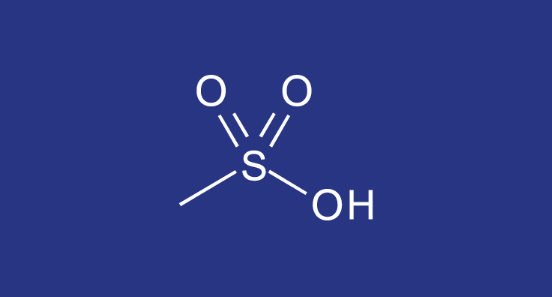
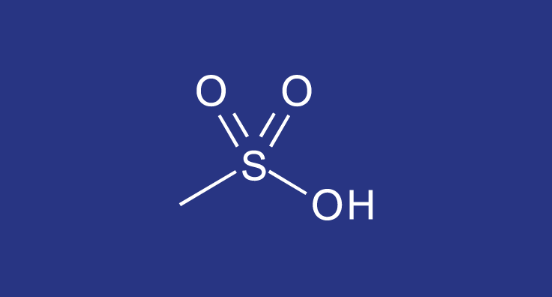
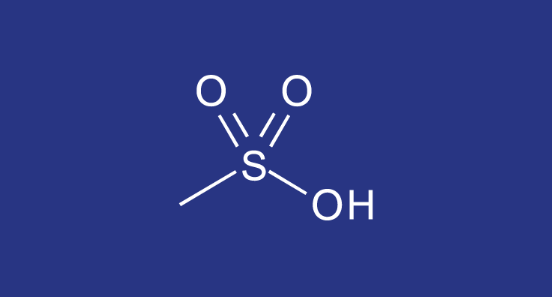
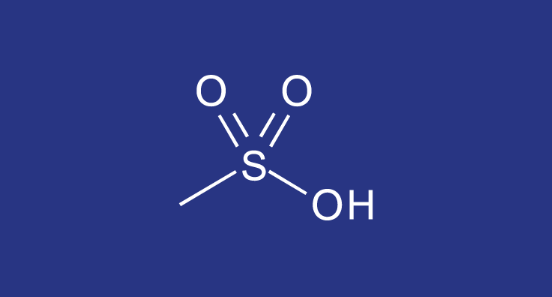
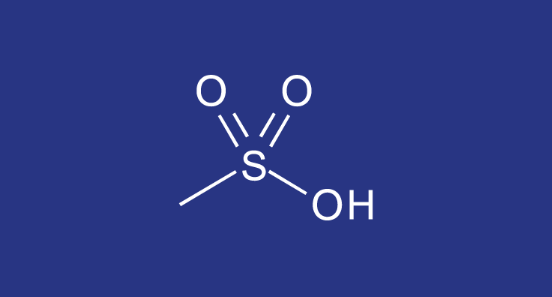
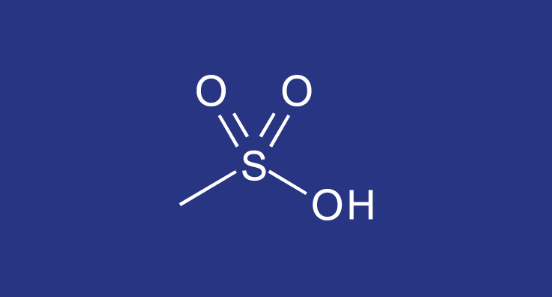
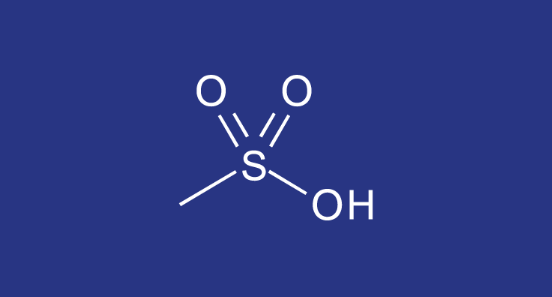
Methanesulfonic Acid Industrial Grade
Methanesulfonic Acid Industrial Grade (MSA Industrial Grade) combines properties that makes MSA versatile acid for chemical synthesis, acid catalysis, electroplating, surface treatment, metal refining and metal recovery. MSA may also be evaluated as an alternative to a variety of traditional organic and inorganic acids. Its suitability should be assessed according to the specific process chemistry, required selectivity, equipment compatibility, product quality, wastewater treatment and overall process economics.
Application areas
Fine and Specialty Chemical Synthesis
MSA Industrial Grade can be used as a reagent or catalyst in organic synthesis and industrial chemical processes. Strong acidity and low volatility can support effective process control while limiting acid vapour emissions.
MSA Industrial Grade can be used as a reagent or catalyst in organic synthesis and industrial chemical processes.
Strong acidity and low volatility can support effective process control while limiting acid vapour emissions.
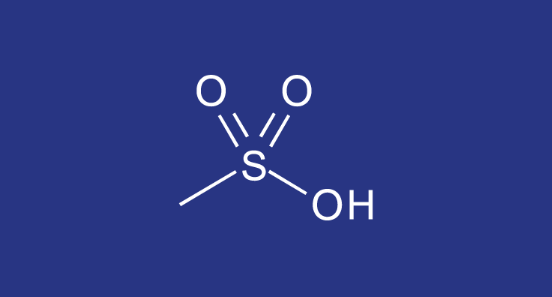
Industrial Catalysis
MSA can act as an acid catalyst in esterification, hydrolysis, condensation, cyclisation, dehydration and other acid-catalysed reactions. Its non-oxidizing behaviour can help reduce unwanted side reactions in selected processes.
MSA can act as an acid catalyst in esterification, hydrolysis, condensation, cyclisation, dehydration and other acid-catalysed reactions.
Its non-oxidizing behaviour can help reduce unwanted side reactions in selected processes.
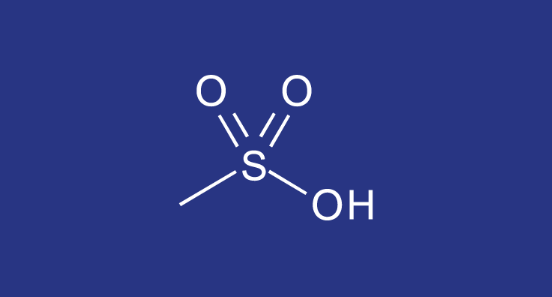
Electroplating and Metal Deposition
The good solubility of many metal methanesulfonates enables the formulation of electrolytes with high metal-ion concentrations. MSA-based systems may be used for the deposition of tin, copper, lead, nickel and selected metal alloys, depending on bath formulation and process requirements.
The good solubility of many metal methanesulfonates enables the formulation of electrolytes with high metal-ion concentrations.
MSA-based systems may be used for the deposition of tin, copper, lead, nickel and selected metal alloys, depending on bath formulation and process requirements.
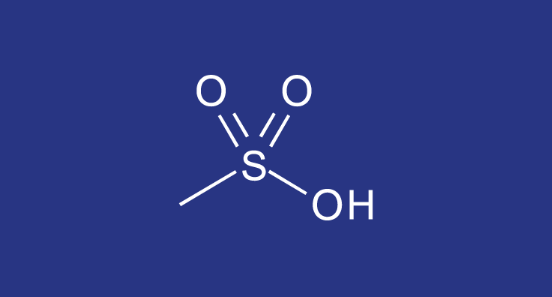
Surface Treatment
MSA can be used in the cleaning, preparation and treatment of metal surfaces. Its strong acidity and non-oxidizing nature can support controlled removal of mineral deposits, oxides and surface contamination.
MSA can be used in the cleaning, preparation and treatment of metal surfaces. Its strong acidity and non-oxidizing nature can support controlled removal of mineral deposits, oxides and surface contamination.
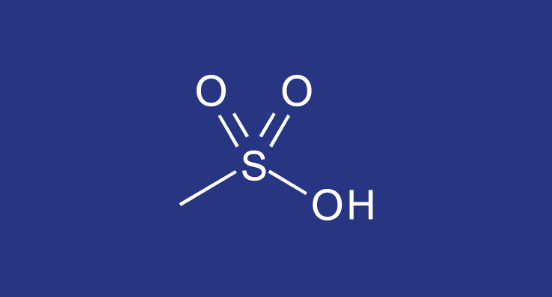
Metal Refining
In metal refining processes, MSA can act as an acidic medium for the dissolution, separation and purification of metal species. The solubility of metal methanesulfonates can support concentrated process solutions and subsequent recovery stages.
In metal refining processes, MSA can act as an acidic medium for the dissolution, separation and purification of metal species.
The solubility of metal methanesulfonates can support concentrated process solutions and subsequent recovery stages.

Metal Recovery
MSA may be evaluated for recovering metals from industrial residues, spent catalysts, electronic materials and other secondary raw materials. Operating conditions should be optimized according to the target metal, feed matrix and required selectivity.
MSA may be evaluated for recovering metals from industrial residues, spent catalysts, electronic materials and other secondary raw materials.
Operating conditions should be optimized according to the target metal, feed matrix and required selectivity.
Electronics and Microelectronics
In electronics and microelectronics, MSA is primarily associated with wet and electrochemical processing, including electroplating, metal deposition, metallisation, solder bumping and surface treatment. Specific purity requirements should be defined according to each individual application.
In electronics and microelectronics, MSA is primarily associated with wet and electrochemical processing, including electroplating, metal deposition, metallisation, solder bumping and surface treatment.
Specific purity requirements should be defined according to each individual application.
Battery Recycling and Critical Metal Recovery
MSA-based hydrometallurgical processes can support the recovery of lithium, cobalt, nickel, manganese and lead from spent batteries and battery materials. Its strong acidity and the solubility of many metal methanesulfonates make MSA a promising platform for selected circular recovery proceses.
MSA-based hydrometallurgical processes can support the recovery of lithium, cobalt, nickel, manganese and lead from spent batteries and battery materials.
Its strong acidity and the solubility of many metal methanesulfonates make MSA a promising platform for selected circular recovery proceses.
Redox Flow Battery Electrolytes
MSA-based electrolytes are being explored for selected redox flow battery technologies. The combination of metal-salt solubility, conductivity and electrochemical stability makes MSA an interesting platform for the development of stationary energy-storage systems.
MSA-based electrolytes are being explored for selected redox flow battery technologies.
The combination of metal-salt solubility, conductivity and electrochemical stability makes MSA an interesting platform for the development of stationary energy-storage systems.
Process Chemistry
The combination of acidity, polarity, low volatility and chemical stability makes MSA suitable for a variety of industrial processes where controlled acid performance is required.
The combination of acidity, polarity, low volatility and chemical stability makes MSA suitable for a variety of industrial processes where controlled acid performance is required.
Alternative Acid Platform
MSA can be considered as an alternative to selected organic and inorganic acids, including sulfuric, hydrochloric, phosphoric and fluoroboric systems. The final choice depends on process performance, corrosion behaviour, environmental impact, wastewater treatment and total process economics.
MSA can be considered as an alternative to selected organic and inorganic acids, including sulfuric, hydrochloric, phosphoric and fluoroboric systems.
The final choice depends on process performance, corrosion behaviour, environmental impact, wastewater treatment and total process economics.
Environmental Profile
MSA is a low-volatility, non-oxidizing acid that is biodegradable under appropriate treatment conditions. These properties can support the development of more efficient acid processes with reduced emissions of acid vapours and a manageable wastewater profile.
MSA is a low-volatility, non-oxidizing acid that is biodegradable under appropriate treatment conditions.
These properties can support the development of more efficient acid processes with reduced emissions of acid vapours and a manageable wastewater profile.
A closer look at MSA Industrial Grade
Discover the key properties, benefits and typical reactions of MSA Industrial Grade

Key properties and benefits

Typical reactions
- Acid catalysis
- Esterification and hydrolysis
- Acid-catalysed condensation
- Cyclisation and dehydration
- Formation of metal methanesulfonates
- Metal dissolution and treatment
- Electroplating and electrodeposition
- Selective leaching
- Metal refining
- Metal recovery
- Surface preparation and treatment
Do you need Chemical Intermediates? Contact us
Explore Our Industrial Services
Biorefinery
Discover more 
Biorefinery
Discover more What can we help you find?
Our Addresses:
Europe
North America
Latin America
Africa
Asia
Oceania